

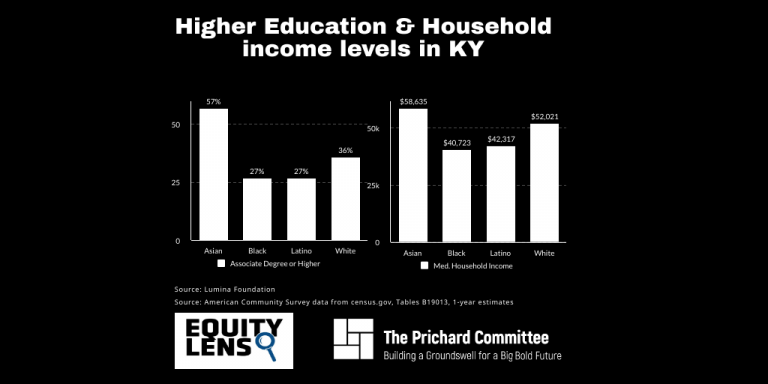
The quickest path to improving economic prospects is through higher education. Whether it is obtaining a higher education credential, a 2-year degree, or a 4-year degree, all the data supports increased economic outcomes for individuals with increased education. Education leads to greater economic opportunities and greater civic engagement; this is one of the findings in our Big Bold Future Report.
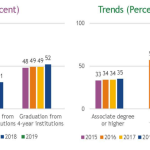
The Prichard Committee Postsecondary Affordability Working Group has identified some concerning trends regarding access higher education credentials:
- People with less education have higher unemployment rates during this COVID-19 pandemic.
- Tuition rates have steadily increased over the last decade at 2-year and 4-year public higher education institutions at a rate three times greater than median incomes have risen in Kentucky.
- State financial support for 2-year and 4-year public institutions hasn’t kept up with the rising tuition costs.
Equity Lens
The trends of rising tuition have had a disproportionate impact on Black and Latino populations, as these students continue to be underrepresented at higher education institutions in Kentucky. The impact on economic opportunities for these populations is highlighted by the disparity in median incomes based on racial demographics.
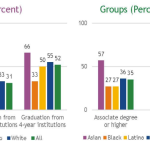
These finding are especially concerning when you consider further findings from the Postsecondary Affordability Working Group:
- Low-income students incur higher debt from attending postsecondary institutions than their counterparts.
- Black students incur higher debt from attending postsecondary institutions than their counterparts.
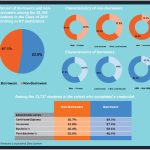
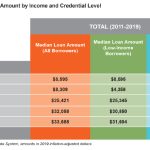
The Council on Postsecondary Education released its Return-on-Investment Report in 2021. Nearly 53% of Kentuckians find themselves in the position of taking out loans to finance their higher education at a Kentucky public college or university in 2011. Median loan amounts range from over $8,000 for an Associate’s degree to over $25,000 for a Bachelor’s degree completed in four years, to over $30,000 for a Bachelor’s degree completed in 6 years.
What Can be Done?
According to a poll conducted for the Prichard Committee, 77% of respondents believed that postsecondary tuition is too high. Meanwhile, those same respondents believed in the increased outcomes that higher education provided:
- 74% believed that a higher education credential prepared someone for a well-paying job in the current economy.
- 84% believed that an associate degree prepared someone for a well-paying job in the current economy.
- 86% believed that a 4-year degree prepared someone for a well-paying job in the current economy.
So, what needs to be done to ensure equitable access to affordable higher education? The Prichard Committee believes that Kentucky must create an affordability framework around postsecondary education. This framework must:
- Define affordability goals.
- Determine how to measure affordability.
- Assess the current state of affordability.
- Develop parameters for students’ share of the cost.
If Kentucky can create this framework, the benefits for all Kentuckians are immense. This framework for affordability will:
- Align funding to postsecondary institutions, financial aid, and tuition.
- Illustrate the impact of funding policies on all students.
- Support strategic investment and policies to make postsecondary education more affordable, and.
- Communicate expectations for the responsibilities of each stakeholder – the state, institutions, and students.
A Big Bold Future for all Kentuckians is possible through greater access to education. The barrier of affordability must be removed to ensure as many Kentuckians can follow this path as possible.